
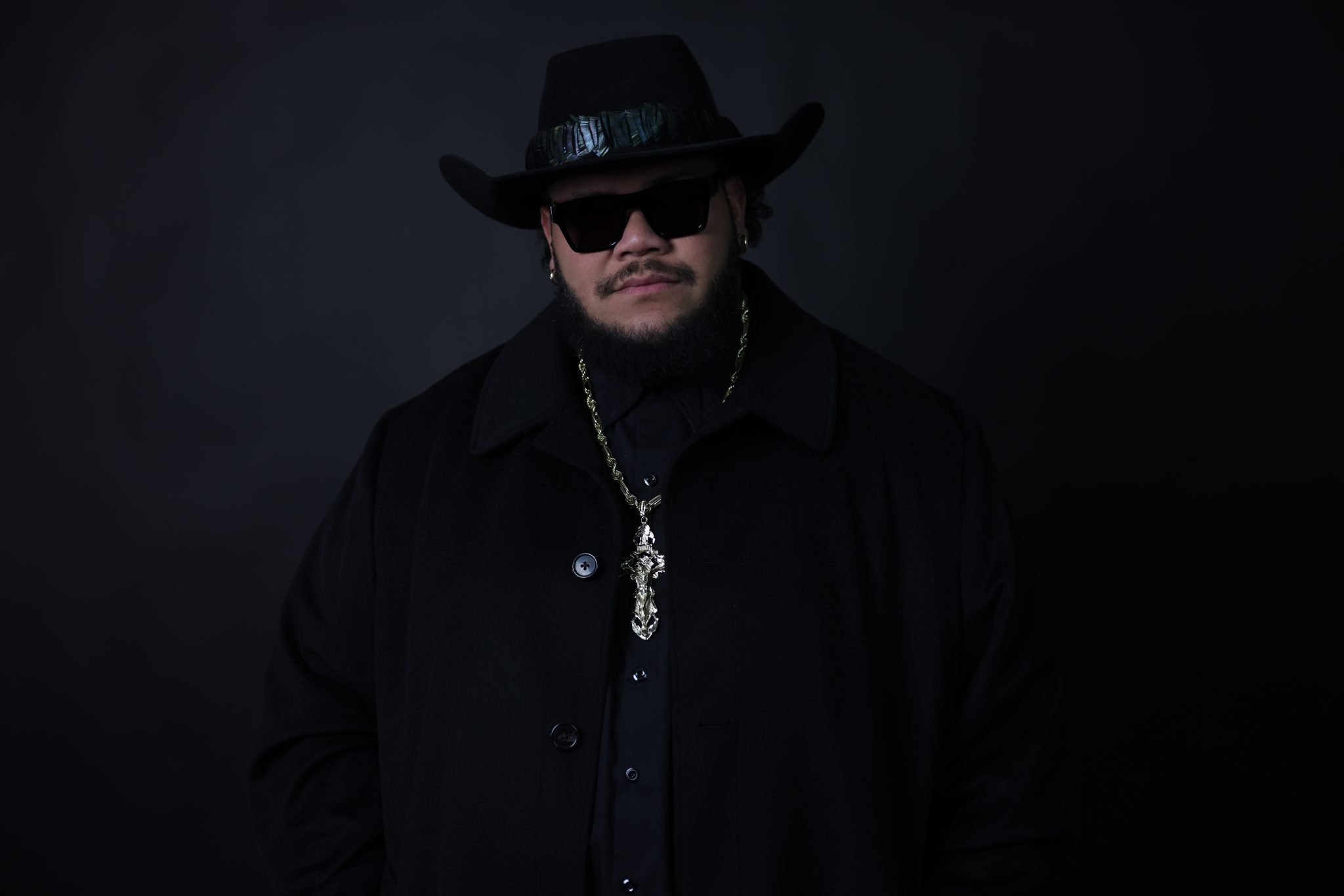
The latest album, Paniolo Country, celebrates Hawaiʻi’s paniolo, or Hawaiian cowboy, heritage. What first inspired you to explore this side of Hawaiian culture through music, and why did it feel like the right story to tell at this point in your career?
Josh: For me, it really started with spending time in Nashville and learning more about country music and its history. The more I got into it, the more I realised how much of it felt familiar to me. Growing up in Hawaiʻi, country music was always around us in some way, and we have our own cowboy history and traditions through the paniolo.
I think being in Nashville helped me appreciate that connection even more. It made me want to explore that side of our culture and share it with people who might not know about it.
At this point in my career, I’ve been blessed to experience so much through music, and I felt like this was a chance to grow creatively while also telling a story that’s connected to where I come from.
Your sound has always drawn on soul, R&B and island reggae. How did you approach bringing country music into that mix, while ensuring the album still feels true to you?
Josh: I didn’t really go into this project thinking I needed to change my sound or become a completely different artist. I’ve always loved different types of music, whether it’s Hawaiian, R&B, soul, reggae or country.
For me, it’s always been about the feeling behind the song. That’s something I really connected with in country music, especially the storytelling and how honest and simple a song can be.
Working with the songwriters and producers in Nashville brought a different sound and approach to the music, but I still wanted people to hear me in every song. My voice, my influences and the way I express myself are still there. We’re just bringing some new elements into it.
Much of Paniolo Country was recorded in Nashville, the heart of country music. How did being immersed in that environment influence the way you wrote, performed and produced these songs?
Being in Nashville was a really special experience for me. You’re surrounded by so many talented musicians, songwriters and producers who have dedicated their lives to making music.
One of the biggest things I took away from being there was the approach to songwriting. In Nashville, there’s a real emphasis on telling a story and making sure every word has a purpose. Sometimes the simplest lyrics can carry the most emotion.
Working with Nashville’s finest really pushed me creatively and helped me look at songwriting in a different way.
But what surprised me most was how comfortable I felt in that environment. Even though I was far from home, there was something familiar about the music and the way everyone came together to create it.
The album includes your version of “Baby Blue”, a song previously recorded by your father, Tivaini Tatofi. What did it mean to revisit a piece of your family’s musical history, and did the experience reveal anything new about the song for you?
That song is really special to me because of my dad and the history behind it.
Growing up around music, my dad was a big part of my life and my musical journey. So having the opportunity to record a song that he had recorded with Kapena was something that meant a lot to me personally.
When you’re younger, you hear certain songs and you appreciate them for what they are. But as you get older and go through your own experiences, those same songs sometimes take on a different meaning.
Recording Baby Blue gave me a chance to connect with that part of my family’s musical history in my own way. It was important for me to honour the same song my dad recorded, while also putting my own feeling into it.
It’s definitely one of the most meaningful songs on the album for me.
When you’re writing, how do you decide which parts of your own life and experiences to share, and how much do you draw on the stories and traditions of Hawaiʻi?
I think a lot of it comes down to being honest with yourself and the music.
Sometimes a song comes from something I’ve personally experienced, and other times it might come from a conversation, something I’ve witnessed or a story that I can relate to.
Growing up in Hawaiʻi, storytelling has always been such a big part of our culture. Whether it’s through music, our families or the people around us, that’s how so much of our history and experiences are passed down.
I don’t necessarily sit down and think about how to put Hawaiian, Tongan or Samoan culture into every song. It’s already a part of who I am, so naturally it’s going to influence the way I write and sing.
For me, the most important thing is that whatever story I’m telling, people can feel that it’s coming from a genuine place.
Your music has found a strong audience across Aotearoa New Zealand and the wider Pacific. Having performed in New Zealand earlier this year, what stands out to you about the connection you share with audiences here, and how does that compare with performing at home in Hawaiʻi?
Man, New Zealand has always shown me so much love, and I’m forever grateful for that.
Coming back earlier this year and seeing thousands of people singing along to the songs was something I’ll never take for granted. There’s a special connection I feel with the people there, especially our Pacific & Maori communities.
I think there’s a lot we share culturally between Hawaiʻi, Aotearoa and the rest of the Pacific. Family, music, community and the way we come together are all things that connect us.
Performing back home in Hawaiʻi will always be special because that’s where everything started for me. But when I come to New Zealand, there’s a similar feeling of being around family.
Your debut at The Grand Ole Opry was a significant milestone, particularly as a Hawaiian and Polynesian artist stepping onto one of country music’s most iconic stages. What was going through your mind that night, and did you feel a responsibility to represent your culture as well as yourself?
That was definitely one of those moments I’ll remember for the rest of my life.
Knowing the history of the Grand Ole Opry and all the incredible artists who have stood on that stage, it was pretty overwhelming just thinking about the opportunity.
I felt extremely grateful, but I was also thinking about my family, my home and all the people who have supported me throughout my journey.
Being able to stand on that stage as a Hawaiian and Polynesian artist was something I didn’t take lightly. I knew it was bigger than just me.
And being able to perform Baby Blue, a song connected to my dad, made that moment even more special.
I hope moments like that can inspire other artists from Hawaiʻi and across the Pacific to know that there are opportunities for us in spaces we might never have imagined being part of.
As your career expands into new musical territory and reaches new audiences, how do you balance the opportunities that come with international growth against the importance of staying grounded in where you come from?
I think the biggest thing for me is remembering who I am and the people who helped me get here.
I’ve been really blessed with the opportunities that have come my way, especially being able to work with some amazing people and take my music into places I never thought possible.
But no matter where music takes me, The Pacific will always be home. My family, my culture and the way I was raised are things that will always be a part of me.
I also think growth is important. As an artist, you want to keep learning, challenging yourself and trying new things. That doesn’t mean you have to leave behind what made you who you are.
If anything, I feel like the more opportunities I get to share my music with the world, the more opportunities I have to share a little bit of where I come from too.
With Paniolo Country bringing together family, heritage and your musical journey so far, what do you hope people take away from this album — particularly those who may be discovering Hawaiian country music for the first time? And where would you like to take your sound next?
More than anything, I hope people connect with the music and the stories we’re telling.
I’m proud of this album because it represents a lot of different parts of my life, from my upbringing in Hawaiʻi and my family’s musical history to the experiences I’ve had working and recording in Nashville.
I also hope it gives people a chance to learn a little more about our paniolo heritage and the connection Hawaiʻi has with country music. It’s a part of our history that deserves to be celebrated.
As far as what’s next, I feel like we’re just getting started. This whole experience has opened my eyes to so many possibilities creatively, and there’s still so much I want to learn and explore.
I want to keep building on this sound, working with great people and making music that feels honest to who I am.
And hopefully, along the way, we can continue opening doors for more artists from Hawaiʻi and the Pacific to share their music and stories with the world.


